

Egyptian and African mango: an exceptional fruit for your shelves
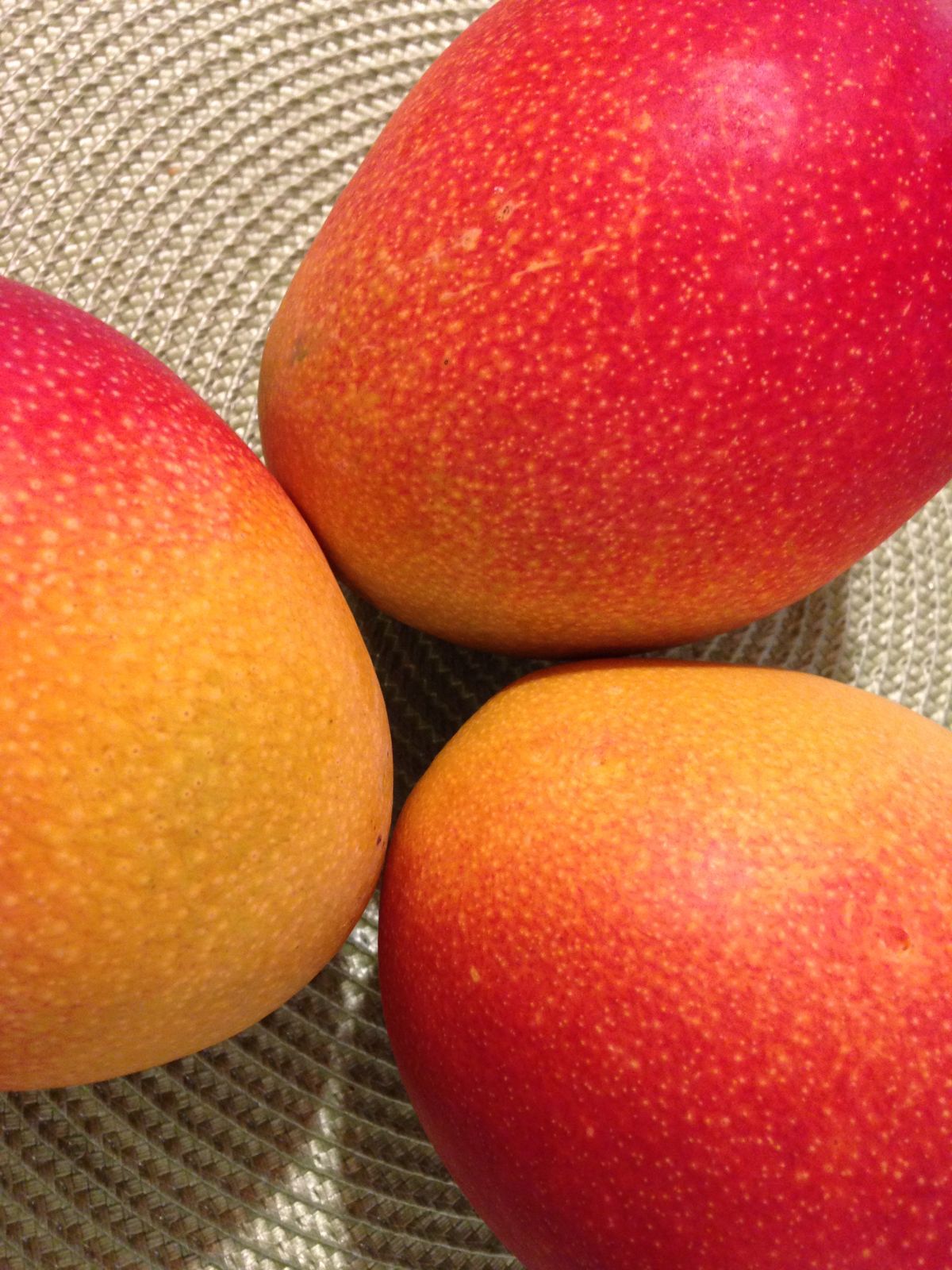
Mango is now one of the most widely consumed tropical fruits in Europe. For distribution professionals, knowing the varieties and their seasons well makes it possible to offer the right product at the right time.
Three varieties worth knowing
- Kent: a melting, juicy, low-fibre flesh with a sweet flavour. It is a variety highly appreciated on the fresh fruit shelf.
- Keitt: a late variety that often stays green when ripe. Its flesh is firm and low in fibre, and its good keeping quality makes it suitable for long journeys.
- Tommy Atkins: a robust, colourful fruit that travels well. Widely present in supermarkets, it is a little more fibrous.
Complementary origins
Egypt and West African countries do not harvest at the same times. Combining them spreads the supply over several months and limits shortages. Calendars vary every year with the weather, so it is important to confirm them with your suppliers at the start of each season.
Criteria for choosing well
- Size: it must match the positioning of the shelf and the chosen packing.
- Firmness: more reliable than colour alone for judging ripeness on arrival.
- Appearance: healthy skin, without bruises or marked blemishes.
- Ripeness: mangoes are harvested at physiological maturity, then finish ripening during transport or in a ripening room.
Keeping them well on the shelf
Mango is sensitive to cold: below about 10 °C it can be damaged. It is better to let it finish ripening at room temperature, then chill it when it is ready for sale.
Key takeaways
Choosing the right variety, at the right stage of ripeness and from complementary origins is the key to a consistent mango shelf that customers love.