

Quality
Cold chain: how to guarantee the freshness of fruit and vegetables all the way to the warehouse

Respecting the cold chain is a critical issue for fresh fruit and vegetables. A break, even a brief one, can be enough to degrade the quality of an entire batch.
There is no single temperature
Each product has its own storage range. Some, such as mango or sweet potato, even fear too much cold. A few indicative benchmarks, to be adapted to the variety and ripeness:
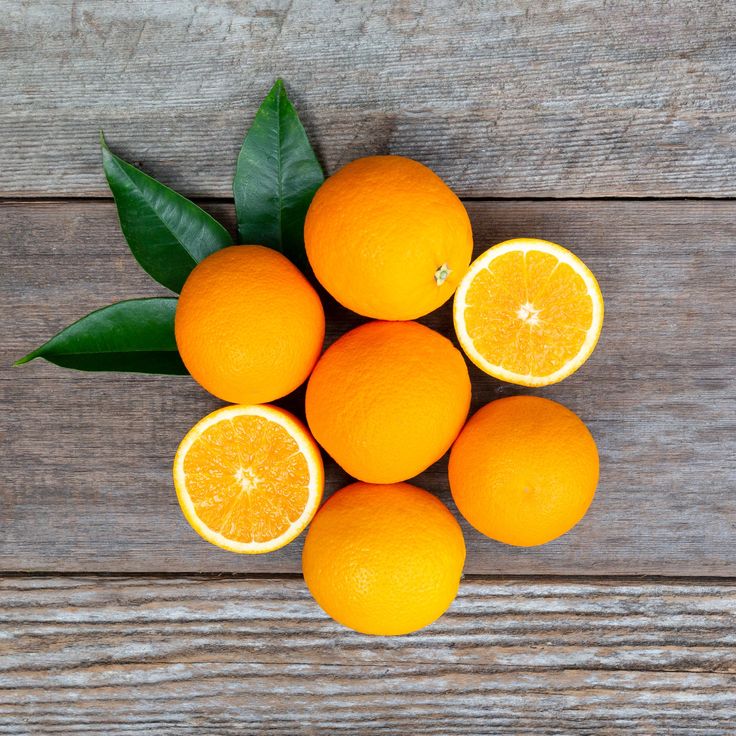
- citrus fruit: about 4 to 8 °C;
- pomegranate: about 5 to 7 °C;
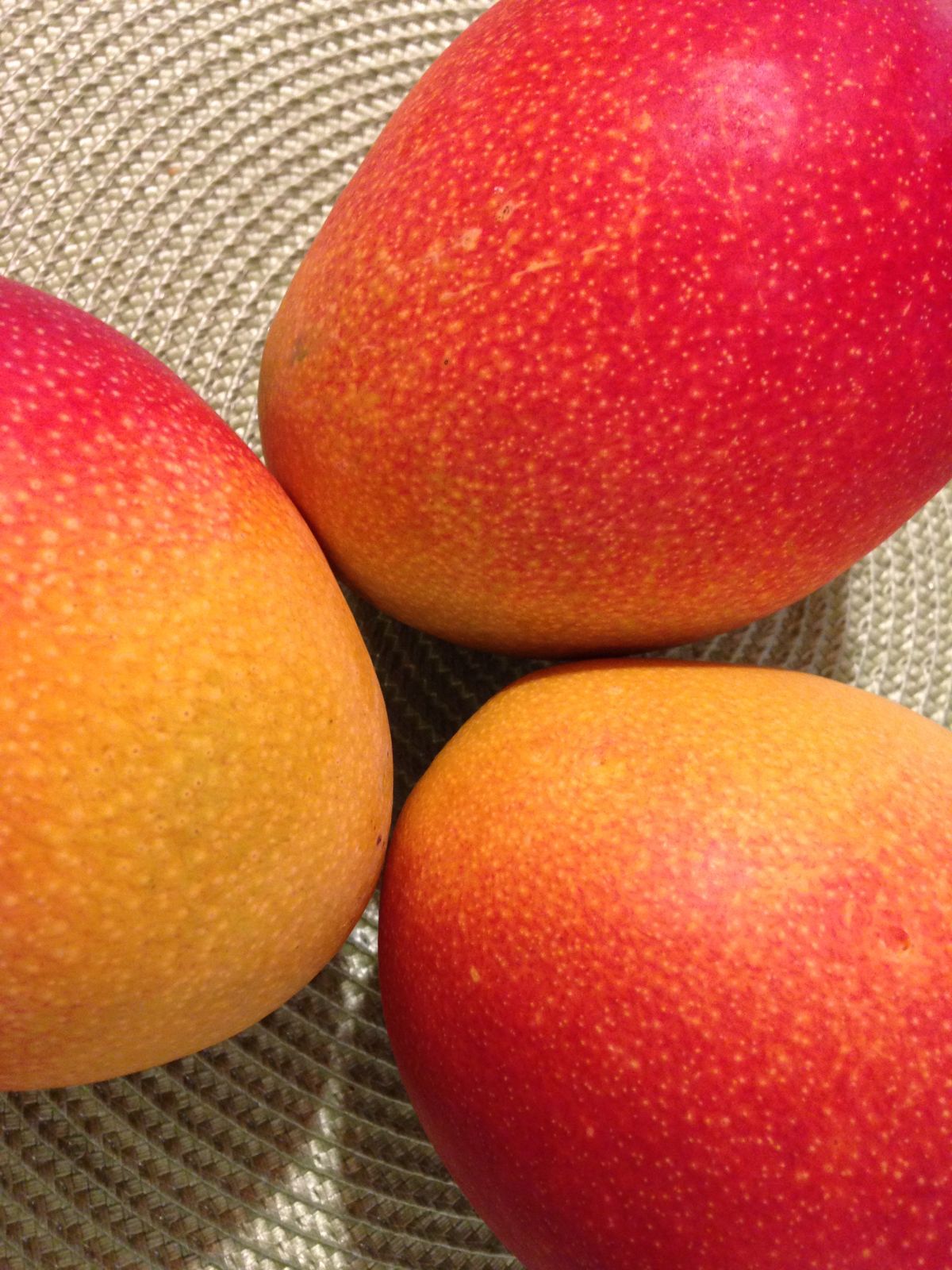
- mango: about 10 to 13 °C;
- sweet potato: about 13 to 15 °C;
- avocado: about 5 to 7 °C, depending on ripeness.
Stages to master
- Pre-cooling: quickly lowering the product's temperature after harvest.
- Loading: a container or truck cooled beforehand, with well-ventilated pallets.
- Transport: refrigerated containers set to the right temperature, with continuous monitoring.
- Receipt: temperature reading on arrival and quick unloading to the warehouse.
Monitoring and proving the temperature
Temperature data loggers placed in pallets or containers make it possible to check that the range was respected from departure to arrival, and to document any dispute.
Mistakes to avoid
- mixing products with incompatible needs in the same container;
- forgetting ethylene: some fruits emit it and speed up the ripening of others;
- leaving pallets at room temperature during transfers.
Key takeaways
A well-controlled cold chain relies on the right temperature for each product, continuous monitoring and quick transfers between each link.